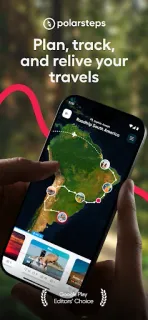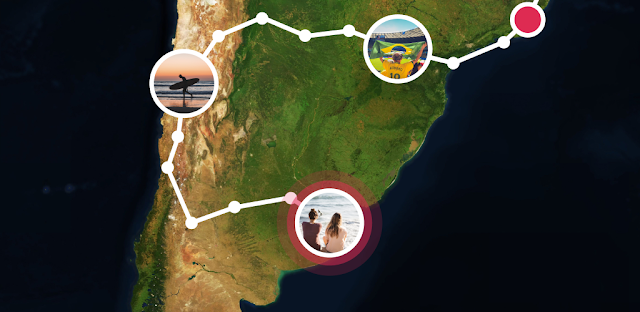
At the kitchen table, the family asks which beach we stopped at on the drive home. I remember the lunch, but not the place name. Polarsteps is aimed at this kind of memory gap: it can record a journey’s route and let me add photos, video and thoughts to individual steps, so a trip becomes more than a string of calendar entries.
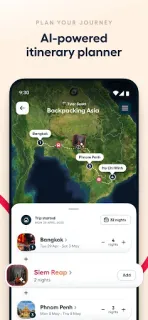
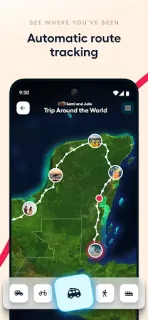
Before leaving, I can use its guides for destination ideas and tips, then shape an editable itinerary with the planner. A transport planner offers options between destinations. On the trip, automatic tracking plots the route on a digital world map; I can also save spots to find again. The app is designed to work offline, and its privacy controls let me decide how to share the record. Later, the map can become the basis for a hardback Travel Book, if I want a physical keepsake.
For a year-cost check, separate the app’s free-to-install status from anything I might choose to buy. A printed Travel Book can add a one-off cost, while any optional subscription or in-app purchase should be checked on the Google Play listing before I commit. I’d also consider the practical trade-off of location access for automatic route tracking, and review sharing controls before letting family or friends see a trip. Offline use can help away from a connection, but I’d still plan around having the phone available and charged.
Polarsteps makes sense for travelers who enjoy revisiting routes, attaching memories to places and planning several stops in one trip. It may be unnecessary for someone who only needs a basic checklist or prefers not to keep location-based records. I’d use the planner for the journey and treat the book as an optional extra, not a required part of the app. If that balance suits your travel style, the Google Play button just below is the next place to check the details.